Shabby Writing Font: Cozy, Playful Script for Makers
As a small shop owner, I’m always hunting for fonts that feel personal, approachable, and ready to work across a dozen different product lines. Shabby Writing is one of those rare finds. It’s a casual, creative script font with round, playful strokes that instantly warm up any design. The moment you type a word, it looks like a handwritten note from a friend—relaxed, friendly, and full of charm. For anyone who designs physical products, labels, or digital downloads, this typeface becomes a quiet workhorse that adds emotional appeal without ever feeling fussy.
Shabby Writing doesn’t try to be perfect, and that’s exactly why it works. The slightly uneven baseline, the soft curves, and the bouncy rhythm give it a handmade feel that’s impossible to replicate with stiff, formal fonts. It’s a display font at heart, meant to be seen and savored in short phrases, names, and titles. Whether you’re a Cricut user cutting vinyl for a sign, an Etsy seller designing printable wedding invitations, or a stationery designer creating boutique tags, this script font brings an instant sense of warmth and authenticity to your creations.
The Look and Feel of Shabby Writing
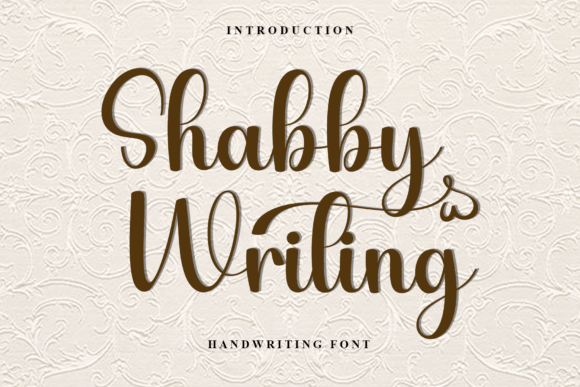
Shabby Writing lives in the sweet spot between a tidy handwritten font and a playful script font. The strokes are thick enough to be readable at a glance, yet they retain a bounce that feels spontaneous. The lowercase letters connect smoothly, with soft entry and exit strokes that mimic the flow of a fine-tipped brush pen. Uppercase letters stand slightly taller, often with a gentle flourish, making them perfect for monograms or the first word of a product title. It’s not a formal calligraphy font—it’s looser, friendlier, and far more approachable. That makes it a brilliant choice for brands that want to feel like a person, not a corporation.
Visually, the font exudes what I’d call “shabby chic” charm without the ragged edges. The roundness of the o’s, a’s, and e’s gives it a cozy, almost nostalgic quality. You can easily imagine it on a farmhouse sign, a baby shower invitation, or a hand-poured candle label. Yet it’s modern enough to work on social media graphics and web design elements without looking dated. Because it’s a creative font, it carries its own personality—so you spend less time trying to style a generic typeface and more time letting the design speak for itself.
Where Shabby Writing Shines in Your Shop
One of the first things I noticed when I started using Shabby Writing was how many product categories it could elevate. Let me walk through a few real-world examples that have worked beautifully for my own shop and for fellow makers I’ve swapped tips with.
- Handmade Labels and Stickers: I use Shabby Writing for the main product name on candle labels, jar labels, and envelope seals. It reads beautifully at a moderate size—say, 18pt or larger on a 2×3 inch sticker. The font’s natural warmth turns a plain glass jar into a gift-ready item.
- Greeting Cards and Invitations: Birthday invitations, baby shower cards, and thank-you notes all benefit from the font’s friendly tone. I often set the recipient’s name in Shabby Writing and the party details in a clean sans serif font. The contrast feels intentional and inviting.
- Wedding Stationery: For boho, rustic, or garden weddings, this script font is a dream. I’ve designed welcome signs, place cards, and invitation suites where Shabby Writing handled the couple’s names or a short quote. It adds a personal, handwritten touch that looks like a custom calligrapher’s work—without the brush and ink.
- Printable Wall Art and Planner Pages: Digital download sellers will love how Shabby Writing looks on affirmation prints, kitchen art, or weekly planner covers. The font keeps things light and cheerful, and it scales well for 8×10 or A4 prints. I’ve also used it on monthly divider tabs and habit tracker headers.
- Product Packaging and Tags: Boutique clothing tags, hang tags for handmade goods, and kraft paper packaging all get a lift from Shabby Writing. The font pairs wonderfully with simple illustrations or a kraft background, creating a cohesive, handmade brand identity.
- Merchandise and Apparel: Mugs, t-shirts, and tote bags are another playground. I’ve cut the font out of heat transfer vinyl on a Silhouette machine and pressed it onto canvas bags. The rounded strokes weed cleanly and transfer well, even at smaller sizes. A short phrase like “hi, sunshine” in Shabby Writing on a tote bag practically sells itself.
- Seasonal Craft Designs: Holiday product packaging, Halloween treat bag toppers, and Christmas gift tags all get a festive upgrade. The font’s friendly personality works for every season without feeling theme-specific—so you can reuse the same premium font across your entire yearly product line.
Making It Work on Cutting Machines and Small Labels
If you run a Cricut or Silhouette machine, you know the anxiety of picking a font that looks gorgeous on screen but turns into a weeding nightmare. Shabby Writing has been surprisingly well-behaved. The closed loops are generous, and the connecting strokes are thick enough to cut cleanly in vinyl, cardstock, and iron-on material. I always recommend doing a test cut at the size you plan to use most often, but in my experience, anything above half an inch tall holds up beautifully.
For small stickers and product labels, readability is everything. The font’s open counters (the spaces inside letters like “a” and “e”) keep it legible even when printed at humble sizes. When I design a 1.5-inch round label for lip balm or a tiny hang tag for jewelry, I’ll set the product name in Shabby Writing and keep the supporting text in a simple sans serif. Your customers should be able to read the product name from a few feet away, and this typeface does that while still feeling soft and personal. I also suggest checking mockup previews carefully—what looks crisp on a white screen can become slightly fuzzy on a textured background, so always test on real paper or a mockup of your actual product.
One practical tip: if your cutting software offers a “bold” or “offset” feature, use a tiny offset (0.01–0.02 inches) to add a little breathing room around the letters. This makes weeding even easier and gives the finished design a polished, professional look that buyers will notice.
Pairing Shabby Writing with Other Typefaces
No font is an island, especially in product design. Shabby Writing is a display font through and through, so it thrives when paired with simpler supporting typefaces. I’ve found a few combinations that consistently deliver a coordinated, high-end look.
For a classic, clean aesthetic, pair Shabby Writing with a neutral sans serif font like Montserrat, Lato, or Open Sans. Use the script font for the main headline—maybe the product name or a short greeting—and set the body text, ingredients, or date information in the sans serif. The contrast feels modern and balanced, and it’s a layout that works for everything from candle labels to wedding invitations.
If you want a softer, more vintage feel, try pairing Shabby Writing with a simple serif font like Playfair Display or Lora. The serif’s structure anchors the playful script, creating a warmth that’s perfect for farmhouse signs, recipe cards, and antique-inspired tags. I’ve used this pairing on printable kitchen art, and customers often comment on how “heartfelt” the design feels.
For brands that lean fully into the handmade look, you can even pair Shabby Writing with a light, all-caps sans serif that has a bit of texture, or with a second handwritten font for secondary accents. Just be careful not to compete with the script’s personality—keep the supporting font understated, and let Shabby Writing carry the emotional weight.
Design Details That Matter for Creators
Before you commit to a font for your product line, it’s worth digging into the technical side. Shabby Writing is a creative font that often includes a thoughtful set of alternates, ligatures, and swashes—though the exact features depend on the version you purchase. These extras let you customize the look even further. For instance, a swash at the end of a word can turn a simple “Welcome” into a graceful entryway sign. A ligature where two letters join more naturally can make a brand name look like custom lettering. Always check the font’s character map or glyphs panel to see what’s available. If the font comes with multiple styles or weights, even better; you can add variety while keeping the same voice.
File format is another practical consideration. Most premium fonts include OTF and TTF files, which work across all major design software and cutting machines. OTF files often support more advanced typographic features, so I lean toward those for intricate designs. If you plan to design for a global audience, look for multilingual support—accents, diacritics, and extended character sets are a lifesaver if you sell internationally or receive custom orders from customers with non-English names.
Since Shabby Writing falls into the Script Amp category, you might expect it to amplify the expressive, free-flowing nature of handwritten typography. It does exactly that. The font feels alive without being wild, making it a versatile choice for both personal projects and commercial work.
Commercial Licensing and What You Need to Know
As a handmade seller or printable product creator, you’re not just buying a font—you’re investing in a design asset that will appear on goods you sell. That’s why commercial licensing is non-negotiable. Shabby Writing, like many creative fonts, is intended for use on physical products, digital downloads, templates, and even client work, but you must confirm the license allows it. Most font shops offer a standard commercial license that covers unlimited sales of physical items like shirts, mugs, labels, and signs. For digital products—such as printable wall art, SVG designs, or editable templates—you often need an extended license. Always read the terms before you sell.
I keep a folder of license certificates for every font I use, and I note the license type in my product files. This protects my shop and gives me peace of mind when I batch-create new designs. If a customer asks for a custom logo using Shabby Writing, I check whether my license covers logo design or if I need to upgrade. It’s a small step that safeguards your brand identity and keeps your business running smoothly.
Using a font legally also builds trust with your customers. Many crafters are becoming savvy about licensing, and they appreciate knowing that the designer behind the product respects the creative community. A font like Shabby Writing, with its warmth and approachable spirit, deserves to be used in a way that honors the work that went into making it.
Bringing Shabby Writing into Your Daily Workflow
What I love most about Shabby Writing is how quickly it becomes a go-to. In my own shop, it’s the font I reach for when I need a product to feel like a hug. Its versatility means I’m not constantly switching between typefaces—I can build a cohesive product line, from a set of greeting cards to a matching thank-you sticker, all using the same font family. That brand consistency is a huge advantage for small shops, where visual recognition can turn a one-time buyer into a repeat customer.
If you’re a printable creator, try designing a template around Shabby Writing as the hero element. A set of editable party invitations, a monthly calendar, or a bundle of quote cards can all use this script font as the focal point. For crafters who sell at markets, use it on your booth signage, price tags, and packaging. The result is a unified, effortlessly charming presentation that feels both professional and personal.
Shabby Writing isn’t just a font; it’s a tool that helps you share your maker’s heart with the world. Its playful, round strokes make every project feel like a little celebration, and that’s the kind of emotional connection customers remember. Whether you’re designing a wedding welcome board, a batch of boutique clothing tags, or a set of holiday stickers, this casual script font delivers the warmth your products deserve.